Poop Zoomies in Cats: A Complete Guide to Feline Digestive Health & Behavior

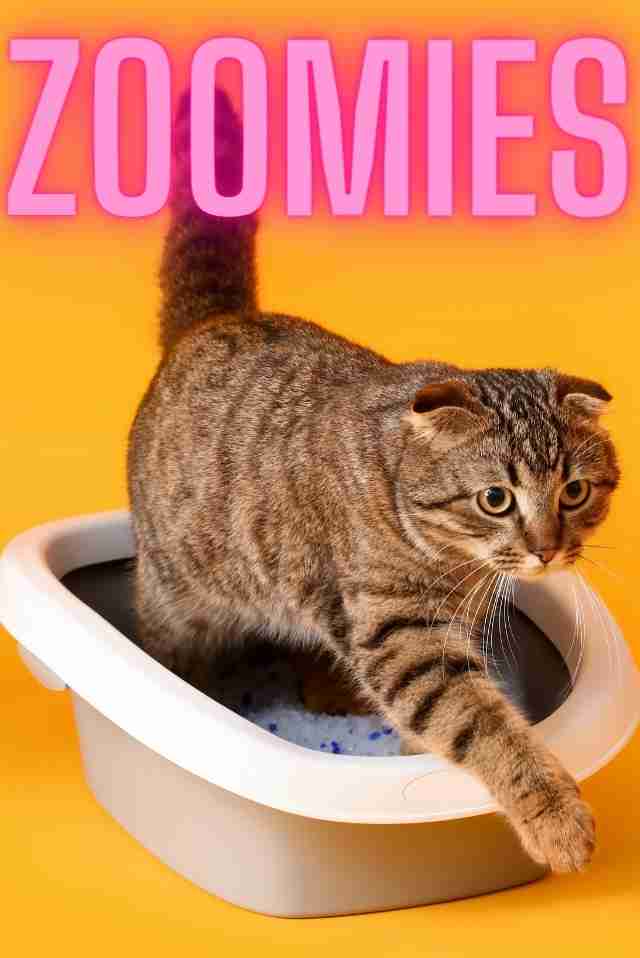
"Poop zoomies," scientifically known as Frenetic Random Activity Periods (FRAPs), affect an estimated 30-40% of domestic cats. This burst of energy after using the litter box is typically a normal sign of relief and healthy digestive function. Understanding this and other feline habits helps spot early signs of health issues.

Your evidence-based guide to feline health, nutrition, and those mysterious post-litter box sprints

Understanding Your Cat's Behavior & Health

Why Do Cats Get Zoomies After Pooping?

Post-elimination excitement in cats, commonly called "poop zoomies" or FRAPs (Frenetic Random Activity Periods), occurs for several scientifically documented reasons:

  1. Vagus Nerve Stimulation ("Poo-phoria") – Bowel movements stimulate the vagus nerve, which runs from the brain to the colon. This stimulation can trigger a brief euphoric response, similar to what humans sometimes experience
  2. Physical Relief – The elimination of waste relieves abdominal pressure, creating a sense of lightness. Cats may expel this sudden energy through running
  3. Instinctual Escape Response – In the wild, elimination is a vulnerable moment that leaves scent markers for predators. Running away quickly is an evolved survival behavior that domestic cats retain
  4. Scent Dispersal – Rapid movement after elimination helps spread their scent and mark territory boundaries more effectively

Key fact: Normal poop zoomies typically last 30 seconds to 2 minutes. Episodes lasting significantly longer or occurring with every bowel movement may warrant veterinary attention.

Signs of Healthy Cat Digestion

A healthy feline digestive system shows these specific indicators:

  • Regular litter box habits – Adult cats typically have 1-2 bowel movements per day. Kittens may go 2-4 times daily
  • Consistent stool quality – Healthy cat stool is firm, brown, and segmented (rated 2-3 on the veterinary fecal scoring chart of 1-7)
  • Quick, effortless elimination – Cats should spend less than 2 minutes in the litter box. No straining, crying, or multiple attempts
  • Normal post-elimination behavior – Calm departure or playful zoomies lasting under 2 minutes (both are healthy responses)
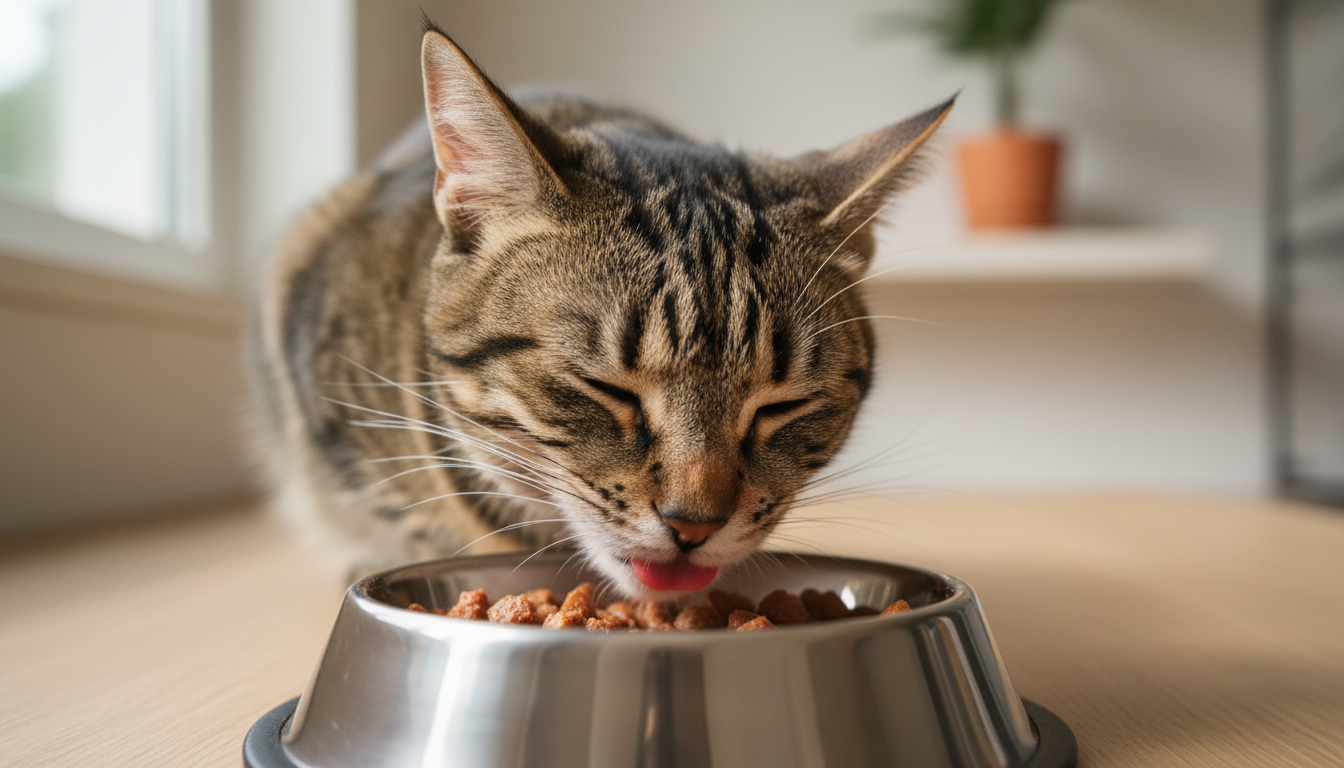
  • Consistent appetite – Adult cats eat 20-30 calories per pound of body weight daily, typically split into 2-3 meals
  • Stable weight – Healthy adult cats maintain weight within 5% variance. Fluctuations over 10% require veterinary evaluation

When to Consult a Veterinarian

While poop zoomies are typically normal, seek veterinary care immediately if you notice these red flags:

  • Sudden behavioral changes – A cat that previously had zoomies now appears lethargic or painful after elimination
  • Vocalization during elimination – Crying, howling, or meowing while in the litter box indicates pain or distress
  • Straining (tenesmus) – Spending more than 2 minutes attempting to defecate, or making multiple unproductive trips to the box
  • Blood in stool (hematochezia) – Fresh red blood or very dark, tarry stools (melena) require immediate attention
  • Diarrhea lasting 24+ hours – Can lead to dangerous dehydration, especially in kittens and senior cats
  • Litter box avoidance – Eliminating outside the box may indicate pain association, urinary issues, or GI distress
  • Weight loss exceeding 10% – Unexplained weight loss is a common early sign of serious conditions including hyperthyroidism, diabetes, or cancer

Emergency warning: Male cats straining to urinate (often mistaken for constipation) may have a urinary blockage—a life-threatening emergency requiring immediate veterinary care within 24-48 hours.

Foods That Can Cause Digestive Issues

Common dietary triggers for feline digestive problems include:

  • Dairy products – Approximately 65-70% of adult cats are lactose intolerant and cannot properly digest cow's milk
  • High-fat treats – Fatty foods can trigger pancreatitis in susceptible cats
  • Sudden diet changes – Always transition to new foods gradually over 7-10 days to prevent GI upset
  • Fillers and grains – Corn, wheat, and soy are common allergens; cats are obligate carnivores requiring meat-based proteins
  • Common allergens – Beef, fish, and chicken account for approximately 90% of food allergies in cats
  • Toxic foods – Onions, garlic, and chives can cause hemolytic anemia; grapes and raisins cause kidney failure

Cat Care Hub

7 Signs Your Cat's Food Is Making Them Sick (2025 Vet Guide)
Nutrition

7 Signs Your Cat's Food Is Making Them Sick (2025 Vet Guide)

Is your cat's digestive issue serious? Discover the warning signs you're overlooking, what vets actually recommend in 2025, and science-backed solutions for sensitive stomachs.

Read More →
Why Do Cats Get Zoomies After Pooping? Science & Solutions
Health

Why Do Cats Get Zoomies After Pooping? Science & Solutions

Discover why cats get zoomies after pooping! Learn the science behind post-litterbox sprints, from vagus nerve stimulation to survival instincts.

Read More →
Discover the Benefits of Stem Cell Therapy for Cats
Health

Discover the Benefits of Stem Cell Therapy for Cats

Learn about stem cell therapy for cats through Kai's personal story of recovery from severe inflammatory disease and stomatitis.

Read More →
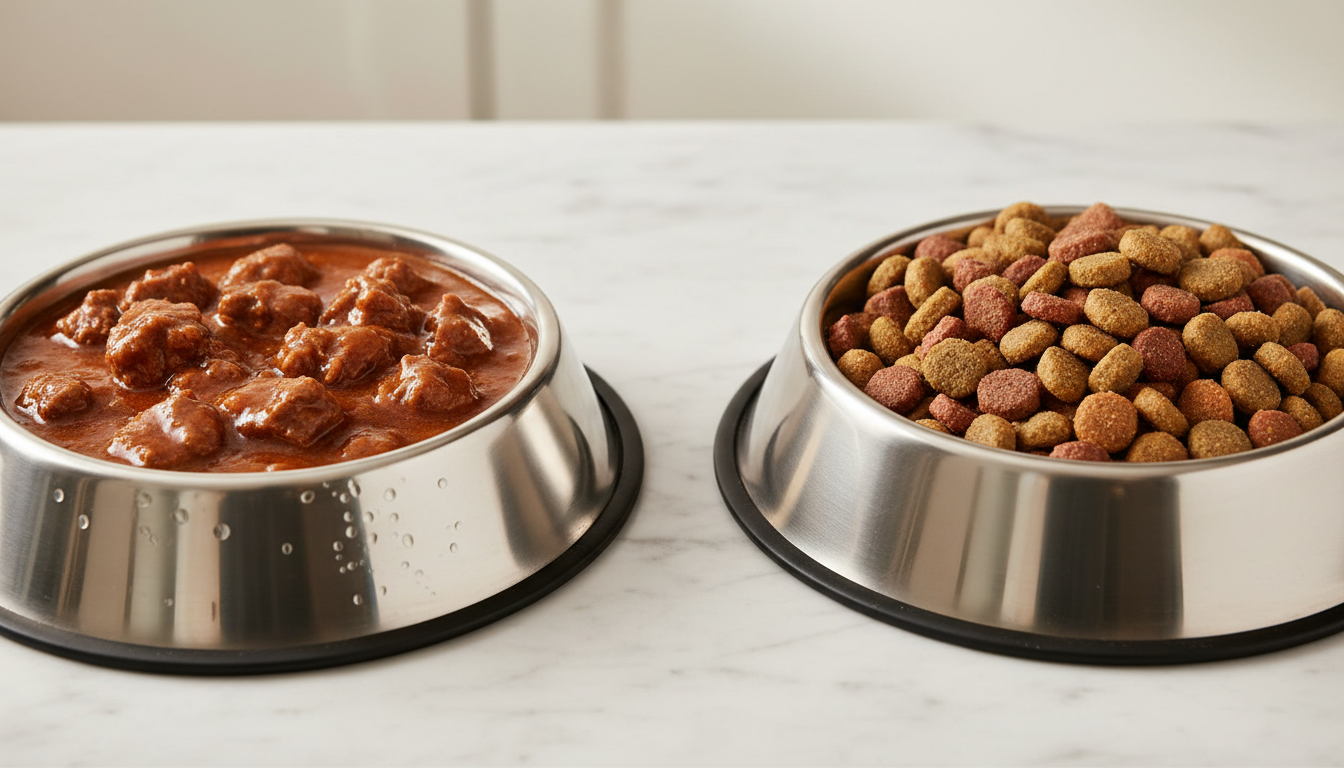
Wet vs. Dry Cat Food: Choosing the Best Diet for Your Cat
Nutrition

Wet vs. Dry Cat Food: Choosing the Best Diet for Your Cat

Explore the pros and cons of wet and dry cat food to make an informed decision about the best diet for your feline companion.

Read More →
Purr-fect Protein: Why Your Cat Needs It (and How to Make Sure They're Getting Enough!)
Nutrition

Purr-fect Protein: Why Your Cat Needs It (and How to Make Sure They're Getting Enough!)

Why cats need protein! Learn about obligate carnivores, essential taurine, how much protein your cat needs & debunk common protein myths.

Read More →
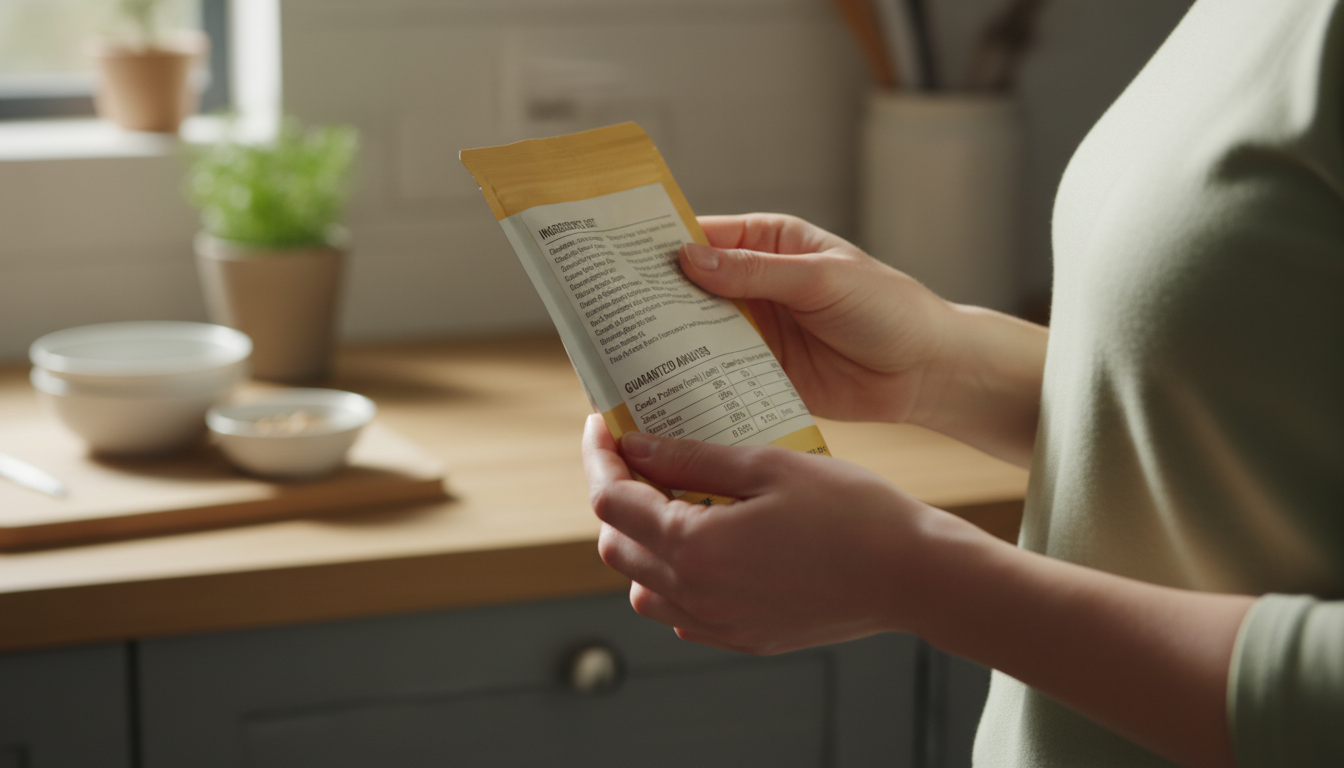
Purrfect Nutrition: Deciphering Your Cat's Food Label Like a Pro
Nutrition

Purrfect Nutrition: Deciphering Your Cat's Food Label Like a Pro

Master cat food labels! Decode ingredients, guaranteed analysis, AAFCO statements & avoid red flags. Make informed nutrition choices for your cat.

Read More →
Is Your Kitty Itchy? Unmasking Common Cat Food Allergies and Intolerances
Health

Is Your Kitty Itchy? Unmasking Common Cat Food Allergies and Intolerances

Discover signs of cat food allergies & intolerances! Learn to identify symptoms from itchy skin to digestive issues, plus treatment strategies.

Read More →

Cat Care Tools & Calculators

Quick, science-based tools to help you care for your feline friend

🚽

Litter Box Calculator

Find out how many litter boxes you need using the veterinary-recommended N+1 rule

= 2 boxes
Learn Why This Matters →
🎂

Cat Age Calculator

Convert your cat's age to human years using modern veterinary science

= 28 human years
See Full Age Chart →
💩

Cat Personality Quiz

Discover your cat's poop-sonality type based on the scientifically-validated "Feline Five" research

Take the Quiz →

Common Questions About Cat Zoomies & Health

Everything you need to know about your cat's quirky post-litter box behavior

What are poop zoomies in cats?

Poop zoomies, or post-elimination frenzy, is a common behavior where cats exhibit sudden bursts of energetic running or playfulness after using the litter box. It's often considered a sign of relief and a healthy digestive system.

Why does my cat run around like crazy after pooping?

Cats may get the zoomies after pooping due to several reasons:

  • Relief from the physical pressure of elimination
  • An instinctual response to quickly leave the area (a vulnerability moment in the wild)
  • Stimulation of the vagus nerve during bowel movements
  • Simply an expression of feeling lighter and more energetic

Are poop zoomies a sign of good cat health?

In most cases, occasional poop zoomies are a normal behavior and can indicate a cat feels relieved and energetic after eliminating. However, sudden changes in this behavior paired with other symptoms like straining, vocalizing in the litter box, or changes in stool should be discussed with a veterinarian.

How can I support my cat's digestive health?

Supporting feline digestive health involves:

  • Providing a balanced, high-quality diet appropriate for your cat's age and health needs
  • Ensuring proper hydration with fresh water always available
  • Managing stress through environmental enrichment
  • Maintaining a clean litter box
  • Regular veterinary check-ups to catch any digestive issues early

How can I tell if my cat has digestive problems?

Signs of digestive problems in cats include:

  • Changes in stool consistency or frequency
  • Vomiting or decreased appetite
  • Lethargy or weight loss
  • Straining or crying in the litter box
  • Avoiding the litter box
  • Excessive gas

If your cat shows any of these symptoms, consult your veterinarian.

Last updated: December 15, 2025

About Poop Zoomies

Since August 2020, we've been providing evidence-based information on feline health and quirky cat behaviors. Our content is developed through years of cat parenting experience combined with research from veterinary sources.

Whether you're navigating health challenges, understanding behavior, or seeking nutrition guidance, you'll find practical solutions backed by real-world experience. Our mission is to help cat owners ensure their pets live happier, healthier lives.

Written by Kal - Cat parent and feline wellness enthusiast dedicated to making cat health information accessible and actionable for everyday cat owners.

Learn More About Us →